

Braces & Aligners
Crooked, crowded, or spaced teeth are not only an aesthetic concern. They can also influence bite balance, cleaning difficulty, gum health, and long-term wear.
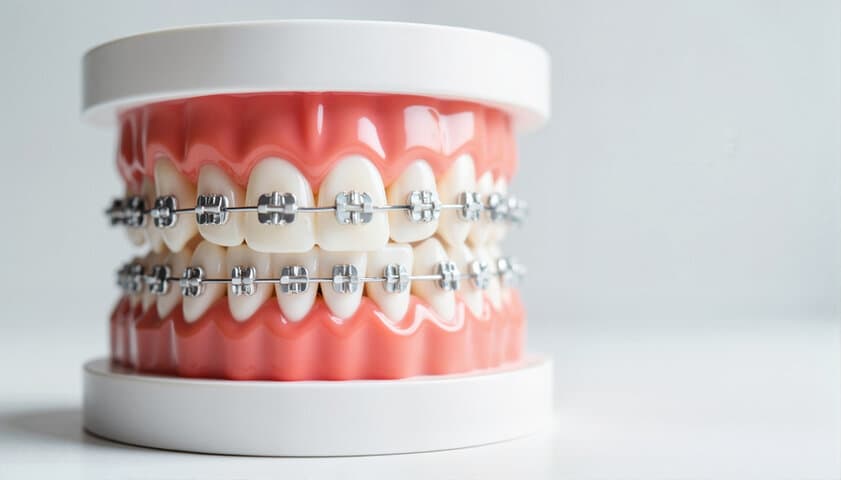
Orthodontic treatment to straighten teeth, improve bite relationships, and create a smile that is easier to clean and more balanced functionally.
Detailed care planning for stronger, healthier results
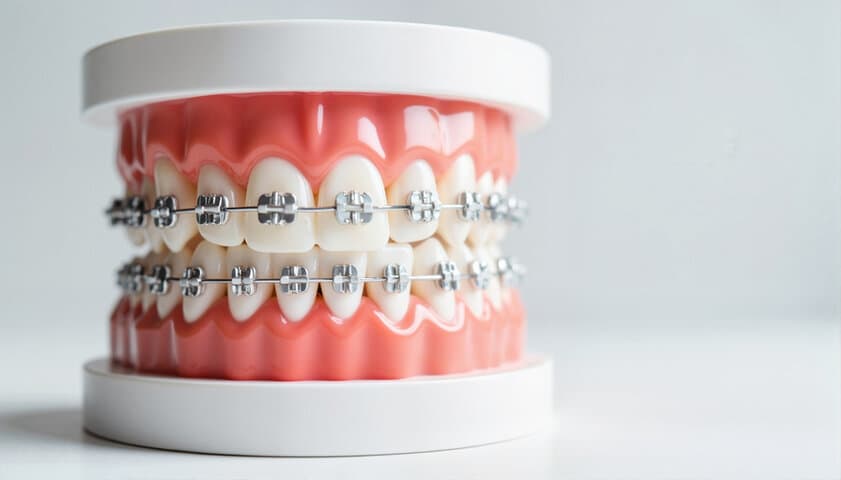
Braces and aligners are used to move teeth into healthier and more balanced positions. Orthodontic treatment can help correct crowding, spacing, protrusion, crossbite, overbite, underbite, and many other bite problems. Proper alignment improves not just smile appearance but also how the teeth meet, function, and can be maintained over time.
At ComfyDent Oral Care, orthodontic treatment planning considers facial profile, gum health, available space, and long-term retention. We explain whether conventional braces or clear aligners are more suitable, what kind of movement is realistic, and whether additional treatments such as extractions, fillings, or gum care should be completed before or during orthodontic care.
When this treatment is usually recommended
- Crooked or overlapping teeth
- Gaps affecting appearance or bite
- Teeth not meeting evenly while chewing
- Repeated plaque buildup in hard-to-clean crowded areas
Key benefits of Braces & Aligners
Clear information, practical outcomes, and treatment designed around long-term oral health.
Improves alignment and smile balance
Can make brushing and flossing easier
Helps distribute bite forces more evenly
May reduce abnormal wear caused by malalignment
Supports later cosmetic or restorative treatment
Who this treatment is ideal for
- Patients with crowding, spacing, or bite issues
- Teenagers and adults seeking alignment correction
- Patients whose cleaning is difficult because of overlapping teeth
- Cases preparing for aesthetic or restorative improvements
Common signs that should be evaluated
- Crooked or overlapping teeth
- Gaps affecting appearance or bite
- Teeth not meeting evenly while chewing
- Repeated plaque buildup in hard-to-clean crowded areas
How Braces & Aligners is typically completed
The exact sequence depends on your diagnosis, but this is the general flow patients can expect.
Orthodontic Assessment
We examine alignment, bite relationship, spacing, crowding, and facial considerations before deciding on braces or aligners.
Treatment Planning
Photographs, records, and measurements are used to map how the teeth will move and how long treatment may take.
Active Tooth Movement
Braces or aligners are provided and adjusted over time so the teeth move gradually into better positions.
Retention
Once alignment is complete, retainers are used to help maintain the final result.
Simple steps that protect your treatment result
Long-term results depend on the treatment itself, your oral hygiene, and timely follow-up. Clear instructions after care help reduce avoidable complications and protect the investment you make in your smile.
- Keep orthodontic appliances clean and attend scheduled reviews.
- Avoid foods that can damage braces if you are wearing fixed appliances.
- Wear aligners for the recommended number of hours every day.
- Use retainers exactly as instructed after active treatment.
What patients usually want to know
Not in every case. Aligners are discreet and convenient for suitable patients, while braces can offer better control in some complex movements.
It varies widely. Mild alignment issues may improve sooner, while complex bite correction can take significantly longer.
Yes. Adult orthodontic treatment is common, provided the gums and supporting bone are healthy enough for safe tooth movement.
Need a treatment plan tailored to your smile?
We explain what is urgent, what can wait, and what the smartest next step is for your comfort, oral health, and budget.
Request ConsultationBook a consultation for Braces & Aligners
Get a clear diagnosis, treatment options, and a realistic plan designed around comfort, long-term health, and predictable results.

