

Dental Implants
Dental implants replace missing tooth roots and create a stable base for crowns, bridges, or dentures. They are one of the most predictable long-term options for replacing missing teeth when planned properly.
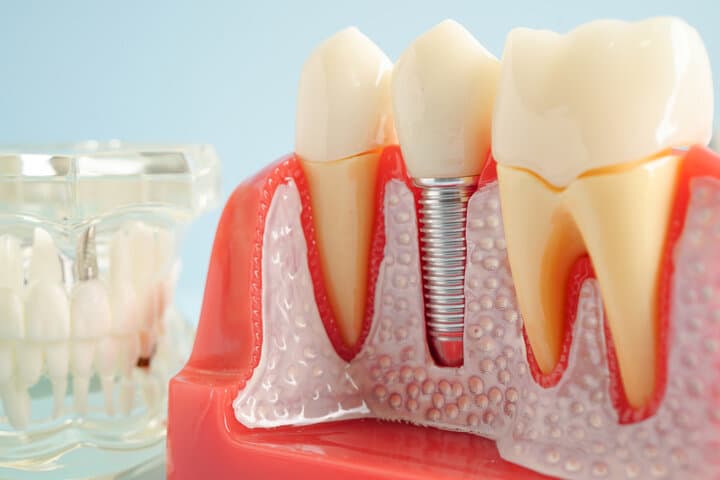
Implant-based tooth replacement to restore missing teeth with strong, stable support that feels more natural during speaking and chewing.
Detailed care planning for stronger, healthier results
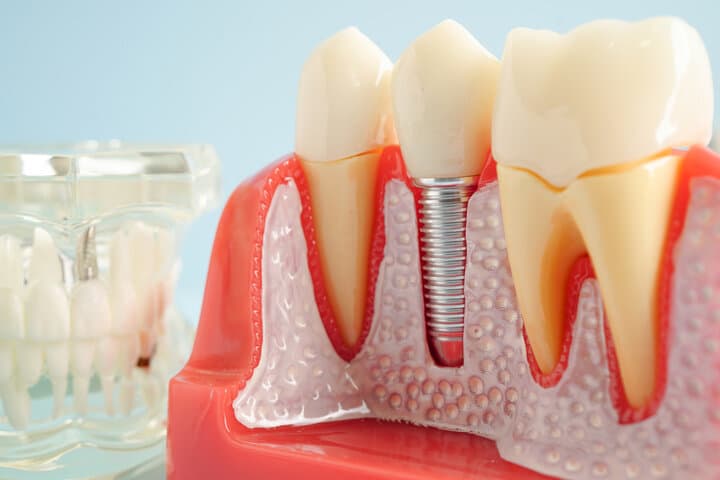
A dental implant is a titanium fixture placed into the jawbone to support a replacement tooth. Once healing and integration occur, it can hold a crown, bridge, or denture depending on the treatment plan. Because the implant is anchored within the bone, the restoration is generally more secure than a removable alternative and can provide excellent function and confidence.
Implant treatment requires careful planning. Bone volume, gum condition, bite forces, and oral hygiene all influence success. At ComfyDent Oral Care, implant cases are assessed comprehensively, and patients are guided through whether implant placement is straightforward or whether additional procedures are required before restoration.
When this treatment is usually recommended
- A missing tooth affecting confidence or chewing
- A gap causing nearby teeth to shift
- Difficulty tolerating a removable prosthesis
- Need for a long-term replacement strategy
Key benefits of Dental Implants
Clear information, practical outcomes, and treatment designed around long-term oral health.
Provides strong support for replacement teeth
Helps maintain chewing efficiency and confidence
Does not rely on neighboring teeth the way some bridges do
Can support single teeth, multiple teeth, or dentures
Offers a long-term restorative solution when maintained well
Who this treatment is ideal for
- Patients missing one or more teeth
- People wanting a fixed replacement option
- Patients with adequate bone support and healthy gums
- Those seeking improved chewing stability over removable options
Common signs that should be evaluated
- A missing tooth affecting confidence or chewing
- A gap causing nearby teeth to shift
- Difficulty tolerating a removable prosthesis
- Need for a long-term replacement strategy
How Dental Implants is typically completed
The exact sequence depends on your diagnosis, but this is the general flow patients can expect.
Assessment and Imaging
We evaluate bone volume, gum condition, bite relationship, and prosthetic planning before deciding implant position and type.
Implant Placement
The implant is inserted into the bone under anaesthesia with careful attention to surgical stability and soft tissue handling.
Healing and Integration
The implant is allowed time to integrate with the surrounding bone so it can support the final restoration reliably.
Final Restoration
A custom crown, bridge, or denture component is attached after healing to complete function and appearance.
Simple steps that protect your treatment result
Long-term results depend on the treatment itself, your oral hygiene, and timely follow-up. Clear instructions after care help reduce avoidable complications and protect the investment you make in your smile.
- Keep the surgical site clean exactly as advised during early healing.
- Avoid biting hard on the area until cleared by the dentist.
- Maintain excellent gum hygiene around the implant long term.
- Attend review visits to monitor both the implant and the restoration.
What patients usually want to know
With good case planning, oral hygiene, and maintenance, implants can function for many years. Long-term success depends heavily on gum health and regular reviews.
The procedure is done under anaesthesia. Most patients report manageable post-operative soreness rather than severe pain.
Not automatically. Bone quantity, gum condition, medical history, and bite factors must all be evaluated first.
Need a treatment plan tailored to your smile?
We explain what is urgent, what can wait, and what the smartest next step is for your comfort, oral health, and budget.
Request ConsultationBook a consultation for Dental Implants
Get a clear diagnosis, treatment options, and a realistic plan designed around comfort, long-term health, and predictable results.

